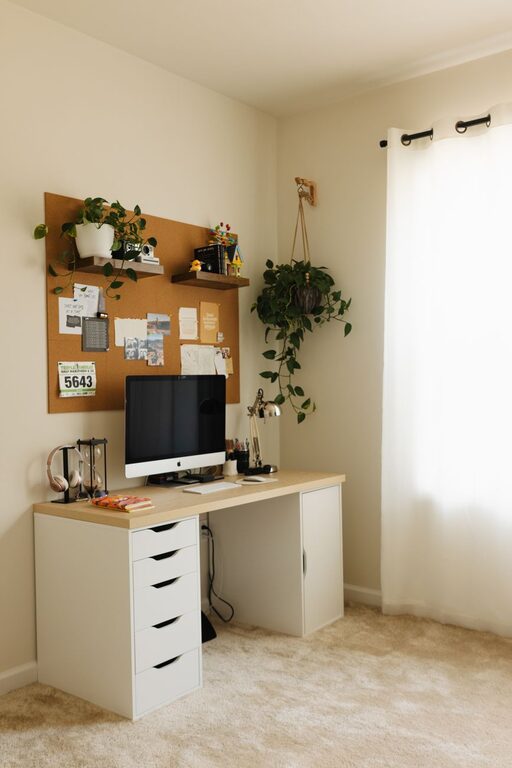
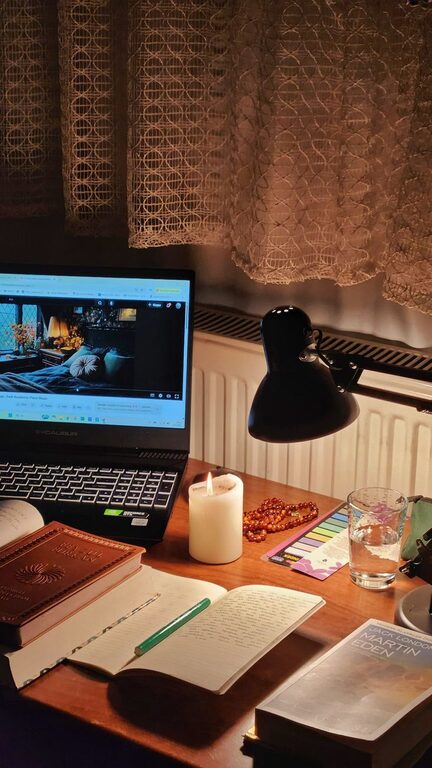
Creating a relaxing home workspace is more important than ever. With many people working remotely, having a dedicated area that encourages focus and comfort can make a huge difference in productivity and mental well-being. Whether you have a small corner or a full room, there are easy ways to transform your space into a calming, efficient work zone. In this post, we’ll explore practical tips to help you create an environment that supports your work and promotes relaxation.
Why a Relaxing Workspace Matters
Working from home means you’re in charge of your environment, which can be both a blessing and a challenge. A cluttered or uncomfortable setup can increase stress and lower productivity. On the other hand, a thoughtfully arranged space reduces distractions, improves mood, and helps you stay motivated throughout the day. Investing time in setting up your workspace pays off with better focus and a healthier work-life balance.
Choose the Right Location
Optimize Natural Light
Whenever possible, position your desk near a window. Natural light helps regulate your body clock and boosts alertness. If you don’t have access to daylight, consider using a daylight-mimicking lamp to reduce eye strain and create a more uplifting atmosphere.
Minimize Noise Disruptions
Find a quiet spot that’s away from household noise and distractions. Noise-cancelling headphones can be a great addition if complete silence isn’t possible. Soft background music or white noise machines can also help mask distracting sounds and keep you in the zone.
Invest in Comfortable and Functional Furniture
Ergonomic Chair and Desk
Choosing an ergonomic chair and desk setup is key to maintaining good posture and preventing discomfort during long work sessions. Look for adjustable chairs that support your lower back and desks at the proper height for your arms to rest comfortably. Standing desks or convertible options can also be great for alternating positions and reducing sedentary time.
Keep Essentials Within Reach
Arrange your workspace so that frequently used items like your computer, notebook, phone, and pens are easily accessible. Use organizers, trays, or shelves to keep the surface tidy and free of unnecessary clutter.
Personalize Your Space Mindfully
Add Calming Colors and Decor
Soft, neutral tones like blues, greens, and pastels promote relaxation and focus. You don’t have to repaint your walls; small accents such as cushions, artwork, or desk accessories in calming shades can have a great impact.
Incorporate Plants
Bringing some greenery into your workspace can improve air quality and add a soothing natural element. Choose low-maintenance plants like succulents, snake plants, or pothos to brighten your space without extra hassle.
Optimize Lighting for Comfort and Productivity
Use Multiple Light Sources
Relying on overhead lights alone can cause eye strain and shadows. Combine ambient lighting with task lights such as desk lamps for adequate brightness while working. Adjustable lighting allows you to control the intensity depending on the time of day and your tasks.
Avoid Screen Glare
Properly position screens to reduce reflections and glare from windows or lights. Adjust brightness and contrast settings to comfortable levels. Blue light filters or glasses can also help reduce eye fatigue during extended screen time.
Keep Your Workspace Organized
Declutter Regularly
A cluttered space can lead to a cluttered mind. Make it a habit to clear your desk at the end of each day and keep only the essentials out during work hours. Use storage boxes and filing systems to organize papers and supplies behind the scenes.
Use Digital Tools
Reduce physical paperwork by adopting digital note-taking and file storage when possible. Apps for task management and calendar planning help keep your day organized and your desk clear.
Create Boundaries and Routines
Set Defined Work Hours
Establishing and sticking to work hours prevents burnout and helps you switch off at the end of the day. Communicate these boundaries to family or housemates to minimize interruptions.
Designate Break Zones
Avoid eating or relaxing at your workspace. Create a separate spot for breaks where you can step away from work mentally and physically. Use techniques like the Pomodoro method to schedule regular breaks and stay refreshed.
Add Personal Touches That Inspire
Include Motivational Items
A favorite photo, a meaningful quote, or a small souvenir can add personality and motivation to your workspace without creating clutter.
Play with Scents
Lightly scented candles or essential oil diffusers with calming fragrances such as lavender or eucalyptus can promote relaxation and reduce stress.
Final Thoughts
A relaxing home workspace balances comfort and functionality while reflecting personal style. By carefully choosing your location, furniture, lighting, and décor, you create an environment that nurtures focus and well-being. Regular organization and clear boundaries help maintain this positive atmosphere. With these tips, you can turn your home office into a place where you enjoy working and thrive professionally.
Remember, the best workspace is one that works for you — so feel free to experiment and adjust until you find your perfect setup!