Creating a home office that feels both cozy and productive can make a significant difference in your daily work routine. Whether you work remotely full-time or just need a dedicated spot for occasional projects, a well-designed workspace helps you stay focused, organized, and comfortable. In this post, we’ll explore actionable tips to transform any room or corner into an inviting and efficient office space.
Why a Cozy and Productive Office Matters
A home office should support your work habits while making you feel relaxed enough to sustain long hours of focus. A space that is too cluttered or uncomfortable can lead to distractions and fatigue. Meanwhile, a poorly designed setup can affect your posture or overall well-being. The goal is to balance functionality with personal touches that inspire you every day.
—
Choosing the Right Location
Consider Natural Light
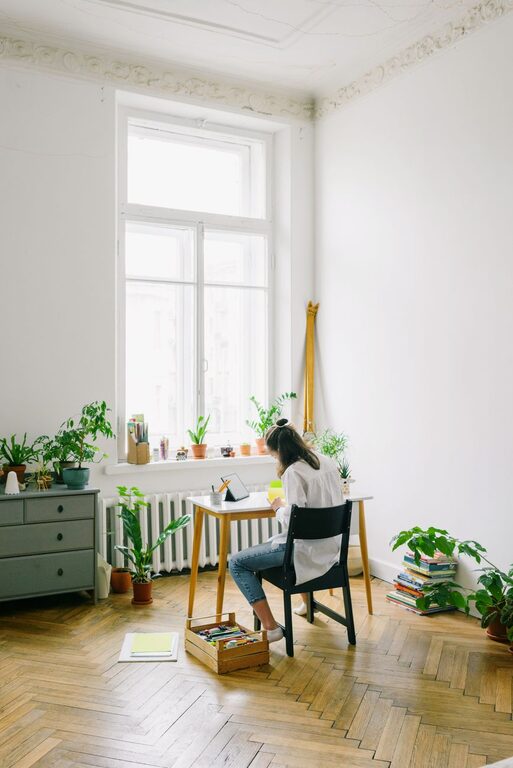
Placing your desk near a window can provide natural light, which is proven to improve mood and productivity. Try to position your workspace so that the light doesn’t create glare on your computer screen but still brightens the room.
Minimize Noise and Distractions
Select a quiet part of your home where interruptions are less likely. Using rugs, curtains, or even noise-cancelling headphones can help reduce ambient noise, especially if you share your space with others.
Use Available Space Wisely
Depending on your layout, a spare bedroom, a nook, or even a corner in the living room can work well. Make sure there is enough room for your desk, a comfortable chair, and storage solutions.
—
Comfort and Ergonomics
Invest in a Good Chair
A supportive chair with adjustable height and lumbar support protects your back and encourages good posture. Sitting comfortably helps maintain focus during long work sessions.
Set Your Desk at the Right Height
Your desk should allow your arms to rest comfortably at a 90-degree angle while typing. Desk height and chair adjustments are key to reducing strain on your wrists and shoulders.
Adjust Monitor Placement
Place your monitor at eye level about an arm’s length away to prevent neck strain and eye fatigue. Using a monitor stand or adjustable arm can help you achieve the ideal position.
—
Organizing Your Workspace
Declutter Regularly
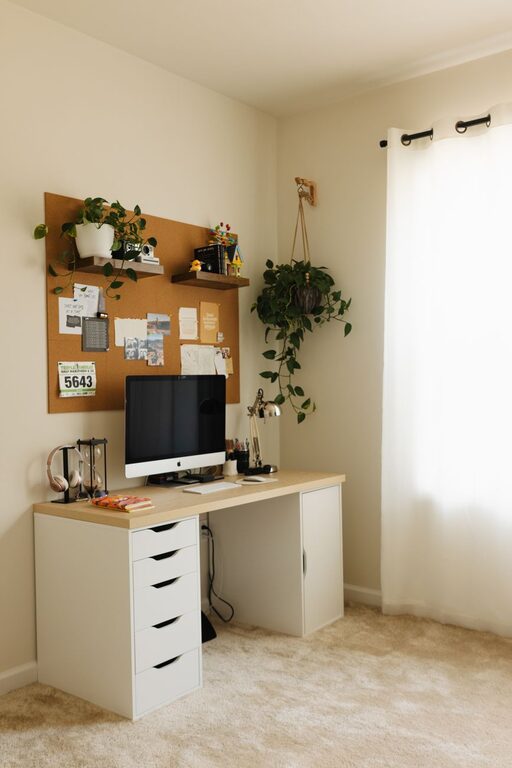
Keep only the essentials on your desk to avoid distractions. Use drawers, shelves, or desk organizers to store supplies, documents, and gadgets neatly.
Use Vertical Space
Wall shelves or pegboards increase storage without crowding your desk. They also display items within reach and add decorative elements.
Cable Management
Tidy cables with clips, ties, or boxes to avoid tangles and improve the overall look of your workspace. Neatly managed cables are safer and less distracting.
—
Personalize Your Environment
Choose Calming Colors
Soft, neutral colors or gentle pastels tend to be calming and can boost concentration. If you prefer vibrant tones, incorporate them through accessories or artwork without overwhelming the space.
Add Plants
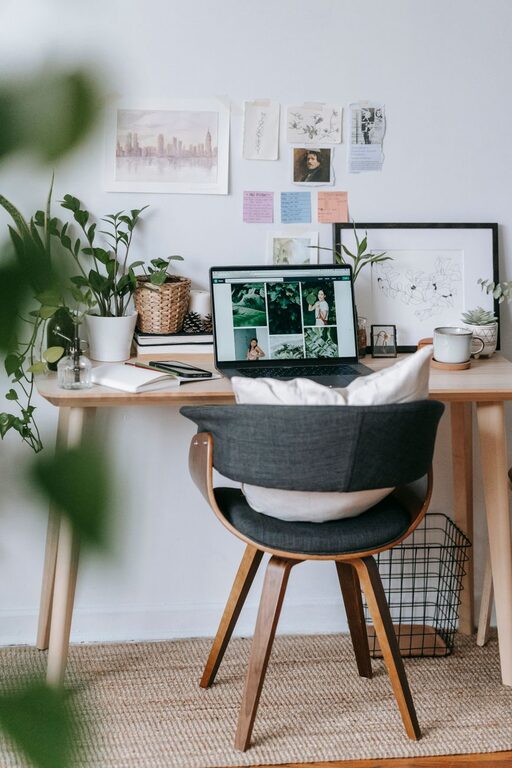
Indoor plants bring life and fresh air to a room. Easy-care plants like succulents or pothos can reduce stress and add a touch of nature to your office.
Display Inspiring Items
Photos, artwork, or motivational quotes personalize your space and keep you motivated. Keep decorations minimal to avoid visual noise.
—
Lighting Tips for Afternoon Productivity
Use Multiple Light Sources
In addition to natural light, combine overhead lighting with task lamps. Adjustable desk lamps with warm or daylight bulbs reduce eye strain during evening hours.
Avoid Harsh Fluorescent Lights
Soft LED lights create a cozy atmosphere, supporting both comfort and alertness.
—
Establish Routine and Boundaries
Designate Work Hours
Setting specific times for work helps separate professional tasks from home life, improving mental focus.
Keep Work in One Space
Avoid working in places associated with relaxation like your bed or couch to maintain productivity and rest balance.
—
Final Thoughts
Creating a cozy and productive home office is a personal process that combines practical design with elements that make you feel comfortable and inspired. By focusing on location, comfort, organization, personalization, and lighting, you can build a space that supports your work goals while enhancing your well-being. Start small, tweak as you go, and enjoy the benefits of a thoughtfully arranged home office.